
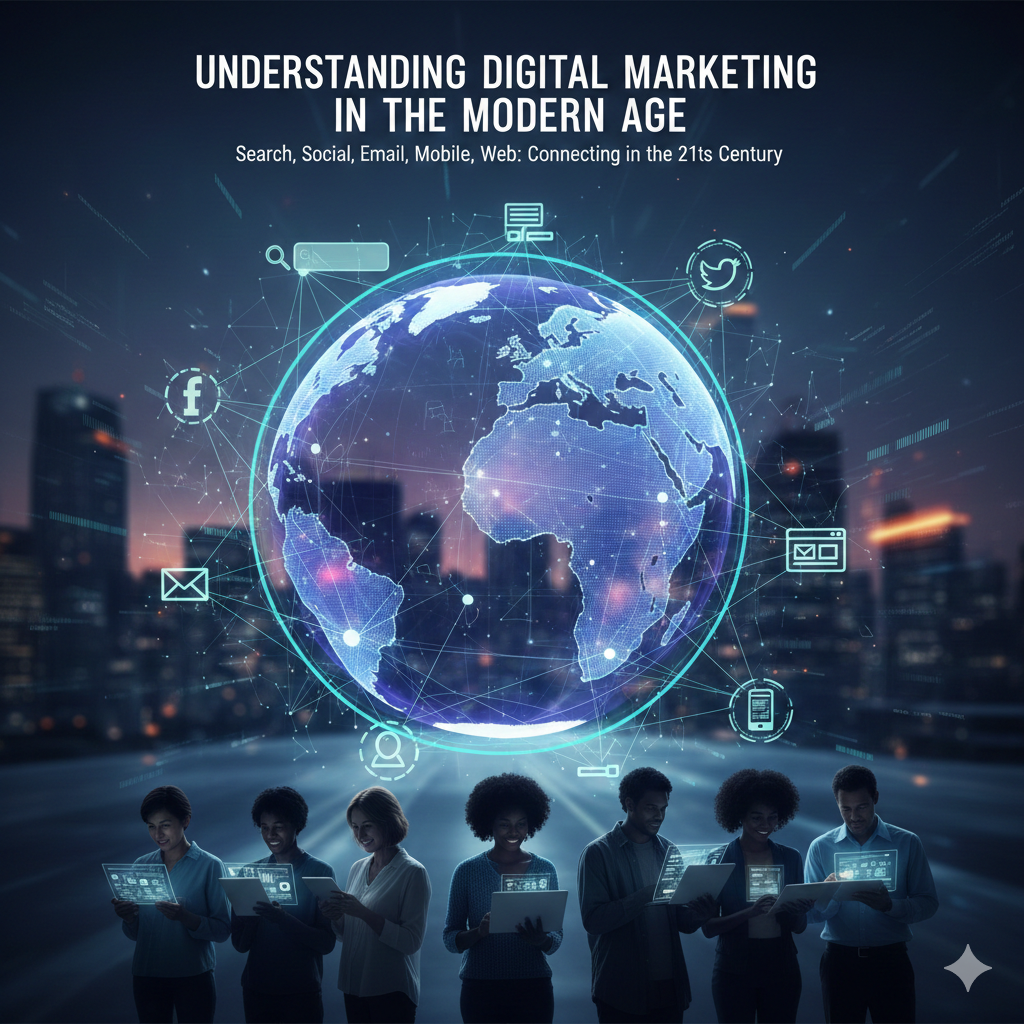
In today’s fast-paced digital world, businesses must evolve to survive and grow. The importance of digital marketing in 21st century lies in its ability to connect brands with consumers through online platforms where people spend most of their time. From small startups to global corporations, digital marketing has become a critical tool for success.
Traditional marketing methods alone are no longer enough. Consumers now search, compare, and purchase products online. Businesses that fail to adapt risk falling behind their competitors. Digital marketing offers smarter, faster, and more measurable ways to reach the right audience at the right time.
Understanding Digital Marketing in the Modern Age
Digital marketing refers to promoting products or services using digital channels such as search engines, websites, social media, email, and mobile applications. Unlike traditional advertising, digital marketing allows real-time interaction, performance tracking, and personalized communication.
The importance of digital marketing in 21st century is closely tied to technology. With widespread internet access and smartphone usage, customers expect instant information and seamless online experiences. Digital marketing fulfills these expectations by delivering targeted and relevant messages.
Over the years, marketing has shifted from one-way communication to two-way engagement. Brands now listen, respond, and build relationships with customers online.
Why Digital Marketing Is Essential in the 21st Century
The 21st century is driven by digital behavior. People rely on search engines for answers, social media for recommendations, and online reviews for decision-making. Businesses must be visible across these platforms to stay relevant.
One major reason for the importance of digital marketing in 21st century is changing consumer behavior. Customers prefer convenience, speed, and personalization. Digital marketing allows businesses to understand user preferences and tailor content accordingly.
Another key factor is competition. Almost every industry has an online presence. Digital marketing helps brands stand out by creating value-driven content, engaging campaigns, and consistent visibility.
Key Benefits of Digital Marketing for Businesses
Digital marketing provides several advantages that traditional marketing cannot match. One of the most significant benefits is cost-effectiveness. Online campaigns often require lower budgets while delivering higher returns on investment.
Another benefit is targeted reach. Businesses can focus on specific audiences based on age, location, interests, and behavior. This precision ensures marketing efforts are not wasted.
Measurable results are another reason why the importance of digital marketing in 21st century continues to grow. Businesses can track website traffic, engagement, conversions, and sales using analytics tools, allowing constant improvement and optimization.
Major Digital Marketing Channels Explained
Search Engine Optimization (SEO) helps websites rank higher on search engines, increasing organic traffic and visibility. Social media marketing builds brand awareness and encourages direct interaction with customers.
Content marketing educates and informs audiences through blogs, videos, and guides, helping establish authority and trust. Email marketing nurtures relationships and keeps customers engaged over time.
When combined strategically, these channels create a powerful digital presence that supports long-term growth. Trusted platforms like HubSpot regularly highlight how integrated digital strategies outperform isolated marketing efforts.
Role of Digital Marketing in Brand Building
Brand building in the digital era goes beyond logos and advertisements. It involves storytelling, consistency, and trust. Digital marketing allows brands to communicate their values and personality across multiple platforms.
Online visibility helps customers recognize and remember brands. Regular engagement through content and social media strengthens credibility. This ongoing interaction reinforces the importance of digital marketing in 21st century brand development.
Strong digital branding also encourages customer loyalty. When users feel connected to a brand, they are more likely to return and recommend it to others.
Digital Marketing for Small and Large Businesses
Digital marketing has created equal opportunities for businesses of all sizes. Small businesses can reach targeted audiences without massive budgets. With the right strategy, startups can compete with established brands.
Large organizations benefit from scalability. Digital campaigns can be expanded globally while maintaining consistent messaging. Automation and data analysis help manage large-scale marketing efforts efficiently.
Regardless of size, every business benefits from understanding the importance of digital marketing in 21st century growth strategies.
Impact of Digital Marketing on Sales and Business Growth
Digital marketing directly supports sales by attracting qualified leads. Personalized ads, optimized websites, and engaging content guide customers through the buying journey.
Better customer experiences result in higher satisfaction and repeat purchases. Digital tools also enable remarketing, ensuring businesses stay connected with potential buyers.
This direct connection between marketing activities and revenue highlights the importance of digital marketing in 21st century commerce.
Challenges in Digital Marketing and How to Overcome Them
Despite its benefits, digital marketing presents challenges such as high competition, algorithm changes, and skill gaps. However, continuous learning and adaptability help overcome these obstacles.
Businesses should focus on data-driven decisions, consistent testing, and staying updated with industry trends. Investing in training and reliable tools ensures long-term success.
Future of Digital Marketing in the 21st Century
The future of digital marketing is shaped by artificial intelligence, automation, and advanced analytics. Voice search, personalization, and immersive technologies will continue to evolve.
As technology advances, the importance of digital marketing in 21st century will increase even further. Businesses that embrace innovation will remain competitive and relevant.
Digital marketing is the promotion of products or services using online platforms such as search engines, social media, websites, and email.
Because consumers spend most of their time online, digital marketing helps businesses reach, engage, and convert modern audiences effectively.
It increases brand visibility, attracts targeted traffic, and improves sales through data-driven strategies.
Yes, digital marketing is cost-effective and allows small businesses to compete with larger brands.
SEO, content marketing, social media marketing, email marketing, and paid advertising.
Yes, with AI, automation, and personalization, digital marketing will continue to grow in importance.